
According to Oxford Languages, climate change is defined as “A change in global or regional climate patterns, in particular a change apparent from the mid to late 20th century onwards and attributed largely to the increased levels of atmospheric carbon dioxide produced by the use of fossil fuels.”
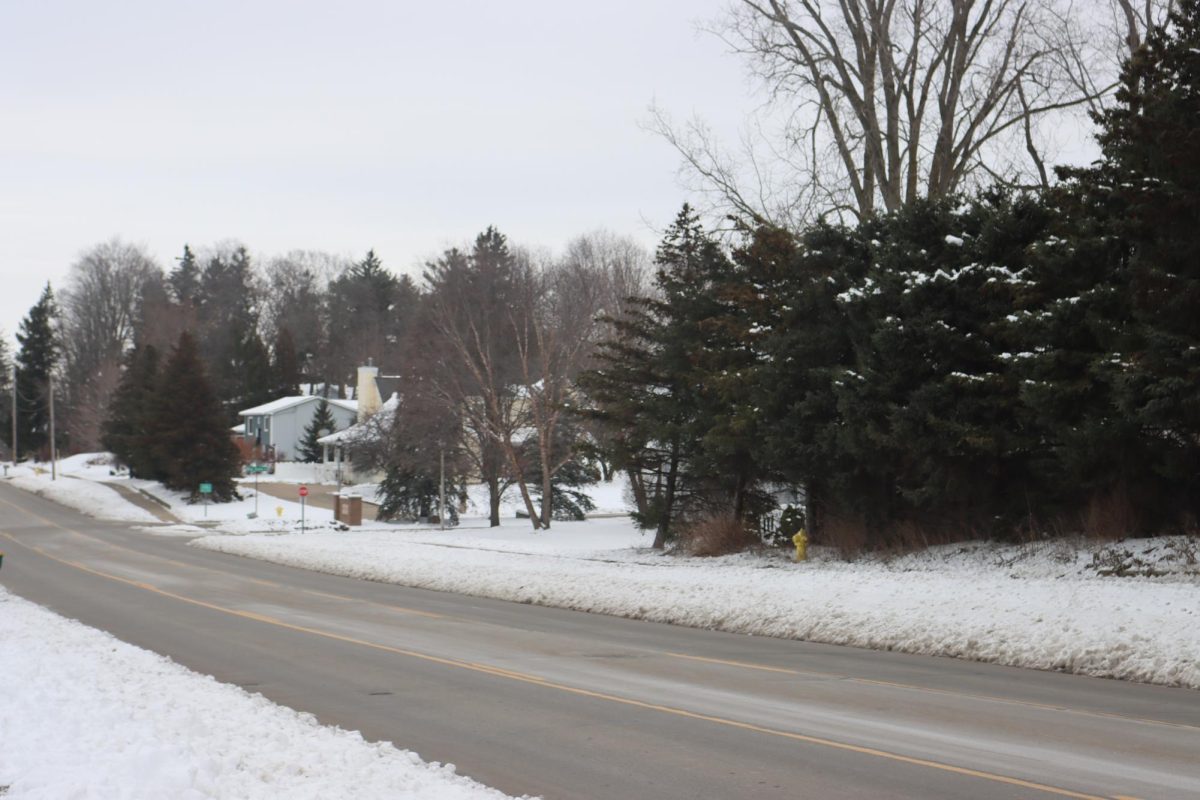
While Grand Ledge, Michigan, has not yet faced severe and surface-level impacts from climate change, unlike some coastal or heavily industrialized areas, the town is not entirely immune to broader environmental shifts affecting the Midwest. Some scientists seem to predict that rising global temperatures, the changing of precipitation patterns, and even more extreme weather events could influence small towns like Grand Ledge over time, even if the current effects remain mild.
However, questions of climate change’s legitimacy have been and are still being questioned as a result of propaganda and false information. Courtney McDonnell, AP Biology teacher at Grand Ledge High School and the advisor of the school’s Eco Club, disputes these questions: “The scientific evidence is overwhelming that humans are adding excessive amounts of greenhouse gases to our atmosphere.”
An area of potential concern for Grand Ledge is the region’s agriculture. Eaton County produces crops such as corn, soybeans, and apples that rely on predictable seasonal patterns to grow. Slight shifts in temperature or rainfall could affect planting schedules, harvest times, and crops over the coming decades. While Grand Ledge itself largely avoids major climate disruptions, farmers and gardeners alike may need to adapt to changing conditions that are gradually becoming more of an issue. Even local wildlife and parks could experience subtle changes. Warmer winters may affect plant cycles and the presence of certain animal species, while invasive pests could become more common. Parks like Fitzgerald Park and the scenic Ledges could be seen as minor shifts in vegetation or tree health over time, although nothing severe is expected in the near term.
But for now, Grand Ledge remains largely isolated from the most dramatic effects of climate change.
“I guess the problem is, for us in the area, in the temperate climate zone, we are not going to be as affected by climate change as the rest of the world,” McDonnell said. Comprehending and caring about potential future risks allows the community to make choices. Preserving green spaces, supporting agriculture, and maintaining infrastructure are easy and simple ways the town of Grand Ledge can build resilience against the future environmental shifts that have yet to come. In this sense, Grand Ledge provides an example of a Midwestern community where climate change is more of a long-term worry rather than an immediate crisis, but as a resident of Earth, everyone should be not just concerned but attentive.