As winter rolls around, waves of new trendy consumer products attract teenagers and young adults– cozy quarter-zips, the viral Starbucks Bearista cups, and holiday POPMART collectibles. Social media has intensified these seasonal obsessions and the spending habits for these crazes. This winter, it isn’t just about staying warm – it’s about staying on trend – and every trend has its own audience.
Quarter zips have been a staple for students looking for something stylish and warm, making them one of the most-worn items in school hallways and all over social media. But the pressure of keeping up in the fashion cycles influences teens to buy more than they need, feeding the trendy mindset rapidly turning into waste when the next trend comes around.
Recently, from Starbucks, the Bearista cup has returned, which has caused a wave of hype, creating lines around the coffee shops just to secure a $30 cup and resellers selling them for even higher prices. Though this seems like a fun collectible item, collectibles like this encourage impulsive buying and unnecessary spending, especially for teens who feel pressured to participate in trends to avoid FOMO (fear of missing out).
Beyond clothing and drinkware, collectibles like POPMART have become popular for gift-giving. The popularity of POPMART collectible items, Labubus and SKULLPANDAS, is driven by scarcity and the thrill of “blind box” unboxing, which pushes consumers into repeatedly buying these blind boxes hoping to get the figure they want or the secret figures. While these are marketed as harmless fun, the cycle of overspending and consumer frustration.
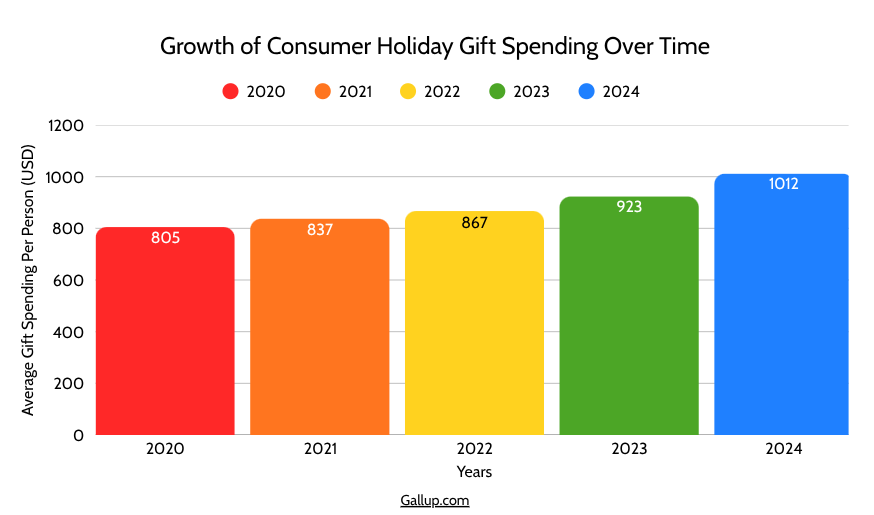
Altogether, these trends reveal how winter consumerism revolves around style, aesthetics, and the sense of trend-following. As holiday marketing escalates and temperatures drop, teens feel pressured to buy more, spend more, and match appearances because of the fear of missing out or trying to fit in with others – often costing the expense of their wallets, mental well-being, and the environment.